
Septic Tank Inspection in North Georgia
A good inspection catches trouble before it becomes expensive. Know what's beneath the surface. Professional inspections keep your system running clean.
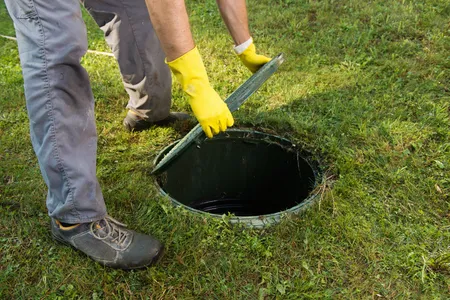
Why septic tank inspections matter before problems start showing up…
Septic tank inspections play a crucial role in maintaining the functionality and longevity of septic systems. These inspections involve a comprehensive assessment of the septic tank, distribution system, and drain field. By conducting regular inspections, potential issues can be identified early on, allowing for timely repairs and preventing costly and disruptive problems down the line.
During a septic tank inspection, Gold City Plumbing & Septic will carefully examine the condition of the tank, looking for any signs of damage, leaks, or structural issues. We usually measure the levels of sludge and scum to determine if pumping is necessary. Additionally, the inspection includes a thorough evaluation of the distribution system, including pipes, baffles, and the distribution box, to ensure proper flow and efficient distribution of effluent.
The drain field, or leach field, is another crucial component that is evaluated during a septic tank inspection. The inspector will assess the field for signs of saturation, pooling, or any other issues that could impact its functionality. By detecting any problems early, such as clogged or damaged drainpipes, appropriate measures can be taken to prevent system failure and the contamination of surrounding soil and groundwater.
Most importantly, septic tank inspections provide homeowners with peace of mind, as they help maintain a healthy and well-functioning septic system. Regular inspections, typically recommended every 3 to 5 years, allow for proactive maintenance and can significantly extend the lifespan of the septic system. By investing in these inspections, homeowners can avoid expensive repairs, sewage backups, and environmental hazards, ensuring the long-term efficiency and sustainability of their septic systems.
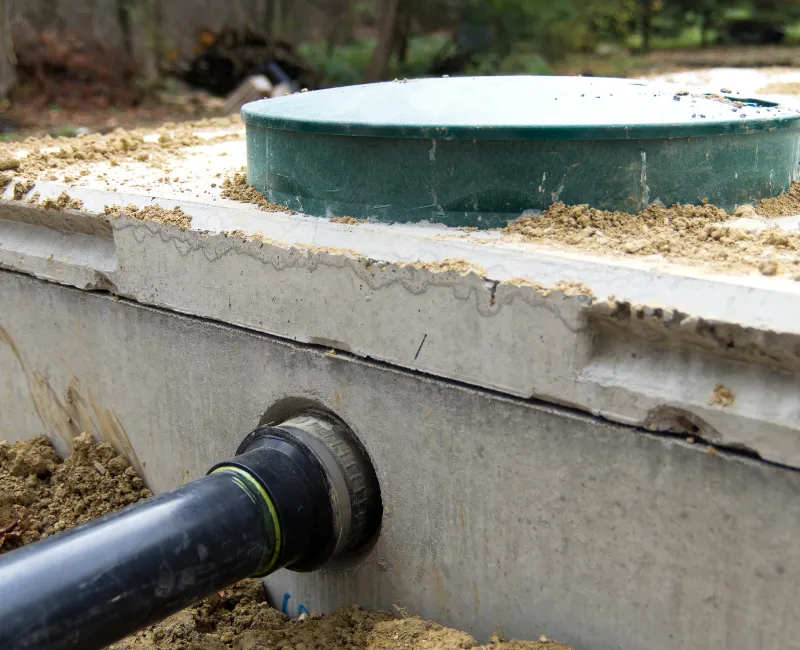
Catch problems early
Small issues found now prevent expensive repairs later. That's how inspections save money.
Protect your health
A failing system puts your family and groundwater at risk. Inspections keep everyone safe.
Maintain property value
Buyers want to know the septic system is solid. Documentation proves it is.
What sets us apart in the field
We show up when it matters most and finish the job right. That's the foundation of everything we do.
Always ready to respond
Septic failures and burst pipes don't follow business hours. We answer the phone at midnight just as readily as noon.
Skilled hands that know the work
Our technicians carry the licenses and certifications that matter. Experience shows in every job we touch.
Your satisfaction guaranteed
We stand behind every service we provide. If it's not right, we make it right at no extra cost.
Fully licensed and insured
We meet all state and local requirements. Your property and peace of mind are protected.
Customers trust us to get it done right
Real stories from real customers
Give us a call. We're ready to get the job done.
Call us today for service, or to ask any questions you have about our services!
5 Tips to Keep Your Drains Flowing Freely Year-round
An ounce of prevention is worth a pound of cure.
FAQs about septic tank inspections
Frequently asked questions about septic tank inspections in north Georgia
Why is a septic tank inspection necessary?
A septic tank inspection is necessary to ensure the proper functioning of your septic system and to identify any potential issues or maintenance needs. Regular inspections help prevent costly repairs, sewage backups, and environmental contamination. They allow professionals to assess the condition of the tank, check for leaks or damage, and ensure that the system is meeting health and safety standards.
How often should a septic tank be inspected?
The frequency of septic tank inspections depends on various factors, such as the size of the tank, the number of occupants in the household, and the usage patterns. As a general guideline, it is recommended to have a septic tank inspection every 3 to 5 years. However, if you notice any signs of problems like slow drains, foul odors, or sewage backups, an inspection should be scheduled immediately.
What does a septic tank inspection involve?
During a septic tank inspection, a professional will typically perform the following tasks:
- Pumping the tank: If necessary, the inspector will pump out the accumulated sludge and scum from the tank to allow a thorough inspection.
- Visual inspection: The inspector will visually assess the condition of the tank, looking for cracks, leaks, or signs of structural damage.
- Measurement and assessment: The inspector may measure the sludge and scum layers to determine if they are within acceptable levels. Excessive buildup may indicate a need for pumping or maintenance.
- Checking the distribution system: The inspector will inspect the pipes, baffles, and distribution box to ensure proper flow and distribution of effluent.
- Drain field evaluation: The drain field or leach field will be inspected for signs of saturation, pooling, or other issues that may affect its functionality.
- Comprehensive report: The inspector will provide a detailed report summarizing their findings, recommendations, and any necessary repairs or maintenance.
Service areas
We cover the region with fast response times and local expertise

Central county
Main office and dispatch center

Northern region
Secondary service territory